By Dr. Rajat Jangir | Best Orthopedic Doctor in Jaipur
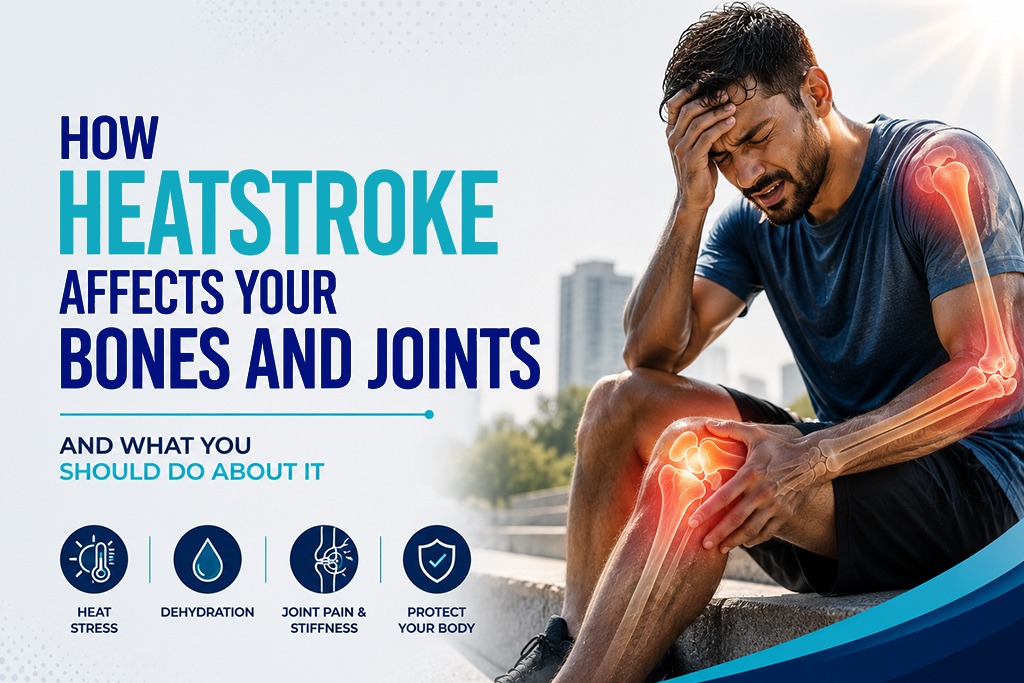
Most people associate heatstroke with dehydration, high fever, dizziness, and fatigue. While these symptoms are well known, many people are unaware that extreme heat can also affect the body’s bones, muscles, tendons, and joints.
In Jaipur, summer temperatures regularly cross 44–46°C, increasing the risk of heat-related illnesses. During this period, many patients visit orthopedic clinics with complaints of joint pain, muscle weakness, stiffness, or reduced mobility. In some cases, these symptoms develop after a previous episode of heat exhaustion or heatstroke.
The relationship between heatstroke and musculoskeletal health is often overlooked, which is why understanding its impact is important for prevention and early treatment.
What Actually Happens During Heatstroke?
Heatstroke occurs when the body’s core temperature rises above 40°C and its natural cooling mechanisms are unable to control the excessive heat.
As body temperature continues to rise, dehydration worsens, blood circulation becomes less efficient, and inflammation begins affecting various tissues throughout the body. These changes can influence muscles, tendons, cartilage, ligaments, and joints.
Unlike heat exhaustion, which may improve with rest and fluid intake, heatstroke is considered a medical emergency and requires immediate attention.
4 Ways Heatstroke Directly Damages Your Bones and Joints
1. Severe Muscle Cramping and Tendon Stress
Excessive sweating leads to the loss of important electrolytes such as sodium and potassium. These minerals are essential for normal muscle contraction and function.
When electrolyte levels drop significantly, severe muscle cramps can develop. Repeated muscle contractions may place additional stress on tendons and ligaments, increasing the likelihood of small injuries around joints.
Areas such as the knees, ankles, shoulders, and lower back are commonly affected.
2. Synovial Fluid Depletion (Your Joint Lubricant Dries Up)
Healthy joints rely on synovial fluid, which helps reduce friction between bones and allows smooth movement.
Severe dehydration can reduce the effectiveness of this natural lubrication. As a result, joints may become stiff, swollen, or painful. Reduced lubrication can also increase pressure on cartilage, especially in weight-bearing joints such as the knees and hips.
For individuals already living with osteoarthritis, these effects can be even more noticeable.
3. Rhabdomyolysis — The Condition Most People Have Never Heard Of
Rhabdomyolysis is a serious complication that can occur during severe heatstroke.
The condition develops when muscle tissue breaks down and releases proteins into the bloodstream. Although it is often discussed because of its impact on kidney function, it can also contribute to prolonged muscle weakness, inflammation, and discomfort around joints.
Some individuals continue experiencing fatigue and reduced physical performance even after recovering from the initial heat-related illness.
4. Bone Mineral Loss
Excessive sweating can contribute to the loss of minerals such as calcium and magnesium, both of which play an important role in maintaining bone strength.
While a single episode of heatstroke is unlikely to cause major bone damage, repeated exposure to extreme heat without adequate hydration and nutrition may negatively affect bone health over time.
This is particularly important for people with osteoporosis or low bone density.
The Connection Most People Miss
One challenge with heat-related orthopedic problems is that symptoms often appear gradually.
A person may recover from heat exhaustion during the summer but begin experiencing persistent knee pain, stiffness, or muscle weakness weeks later. Because the symptoms are delayed, the connection with the original heat-related event is often overlooked.
However, dehydration, inflammation, and muscle damage can continue affecting the musculoskeletal system long after the immediate symptoms have resolved.
Who Is Most at Risk?
While anyone can develop heatstroke, certain groups are more likely to experience orthopedic complications.
People above the age of 50 with osteoarthritis or osteoporosis may experience greater joint stress due to reduced cartilage and bone reserves.
Athletes and outdoor workers are at higher risk because of prolonged exposure to heat and physical exertion.
Individuals with diabetes or kidney disease may have slower recovery due to underlying circulation and fluid balance issues.
Children and older adults also require additional attention during periods of extreme heat.
How to Protect Your Bones and Joints During Summer
These are some practical measures that can help reduce the risk of heat-related musculoskeletal problems:
- Drink 3–4 litres of water daily and increase fluid intake when working outdoors.
- Replenish electrolytes lost through excessive sweating.
- Avoid prolonged outdoor exposure between 11 AM and 4 PM whenever possible.
- Include calcium and magnesium-rich foods such as dairy products, ragi, sesame seeds, nuts, and legumes in your diet.
- Do not ignore sudden joint swelling, stiffness, or discomfort following heat exposure.
- Consider a bone density assessment if you are above 40 years of age and have experienced a significant heat-related illness.
- Wear loose-fitting, light-coloured cotton clothing during summer months.
Warning Signs That Need Immediate Orthopedic Attention
Seek medical evaluation if you experience any of the following symptoms after heatstroke or severe heat exhaustion:
- Persistent joint pain
- Swelling in the knees or ankles
- Muscle weakness affecting daily activities
- Difficulty climbing stairs
- Grinding or cracking sensations in joints
- Ongoing fatigue in the legs or lower back
These symptoms may indicate unresolved inflammation or musculoskeletal damage and should not be ignored.
Final Thought
Heatstroke affects much more than body temperature. Its impact can extend to muscles, joints, tendons, and overall bone health, particularly when dehydration and inflammation are severe.
Most heat-related orthopedic complications can be prevented through proper hydration, balanced nutrition, and timely medical care.
If you develop joint pain, stiffness, swelling, or muscle weakness after significant heat exposure, early orthopedic assessment can help identify the underlying cause and support a faster recovery.
Dr. Rajat Jangir is the Best Orthopedic Doctor in Jaipur, specialising in joint replacement, sports injuries, and heat-related musculoskeletal conditions. For consultations, visit your clinic website or contact your healthcare provider.